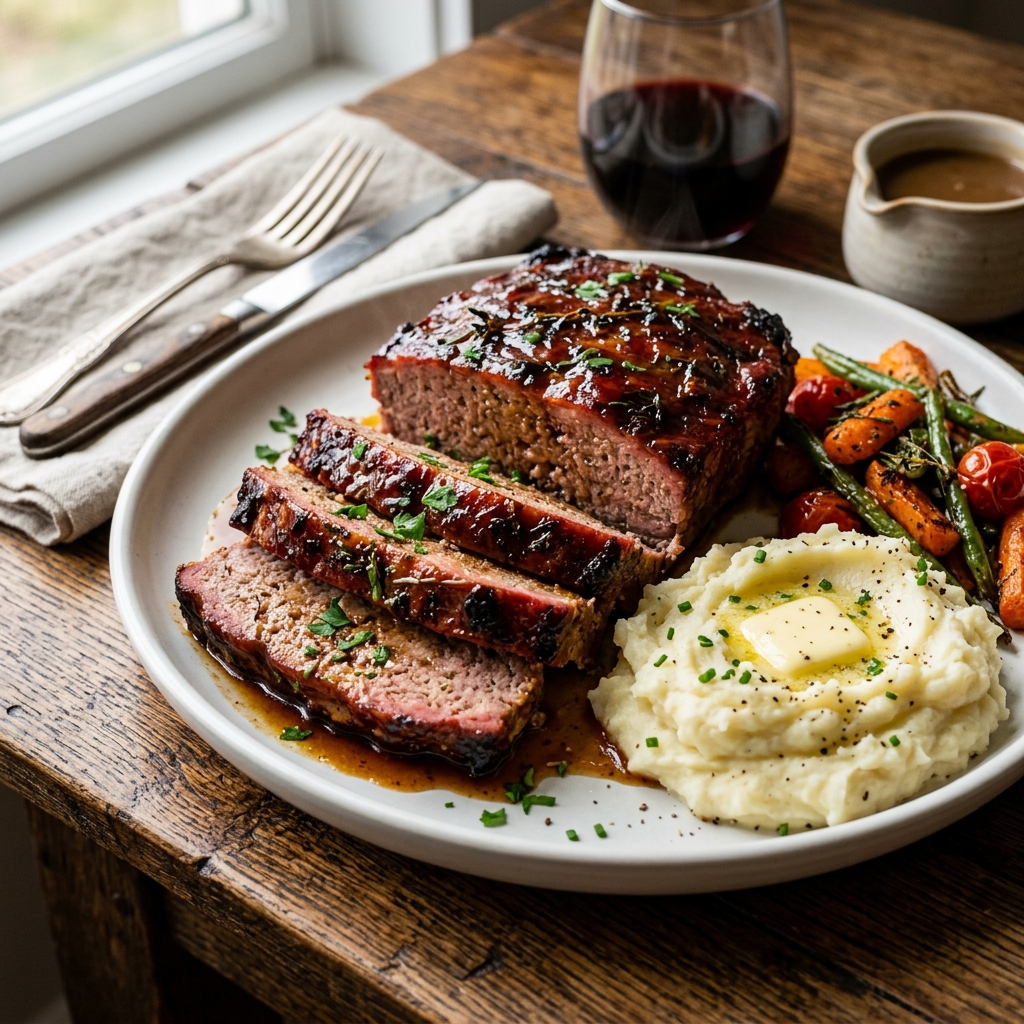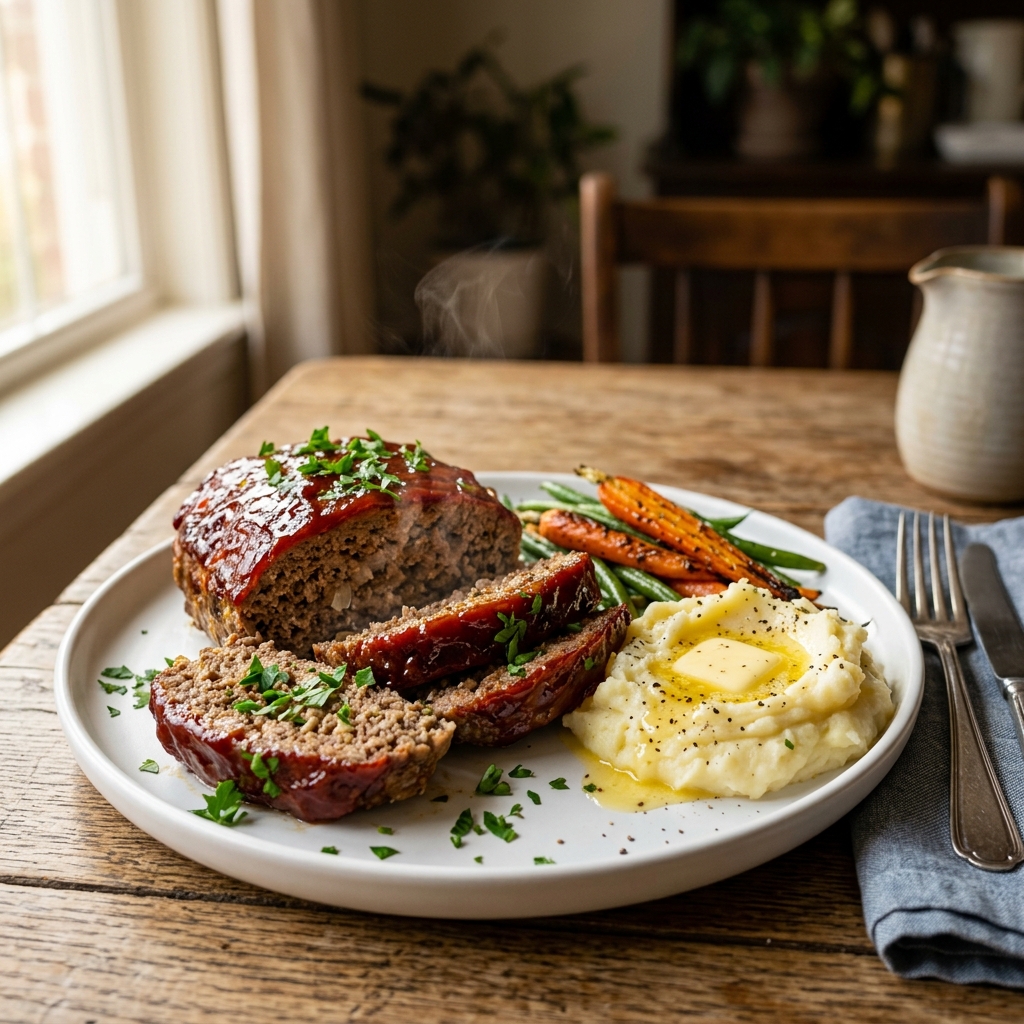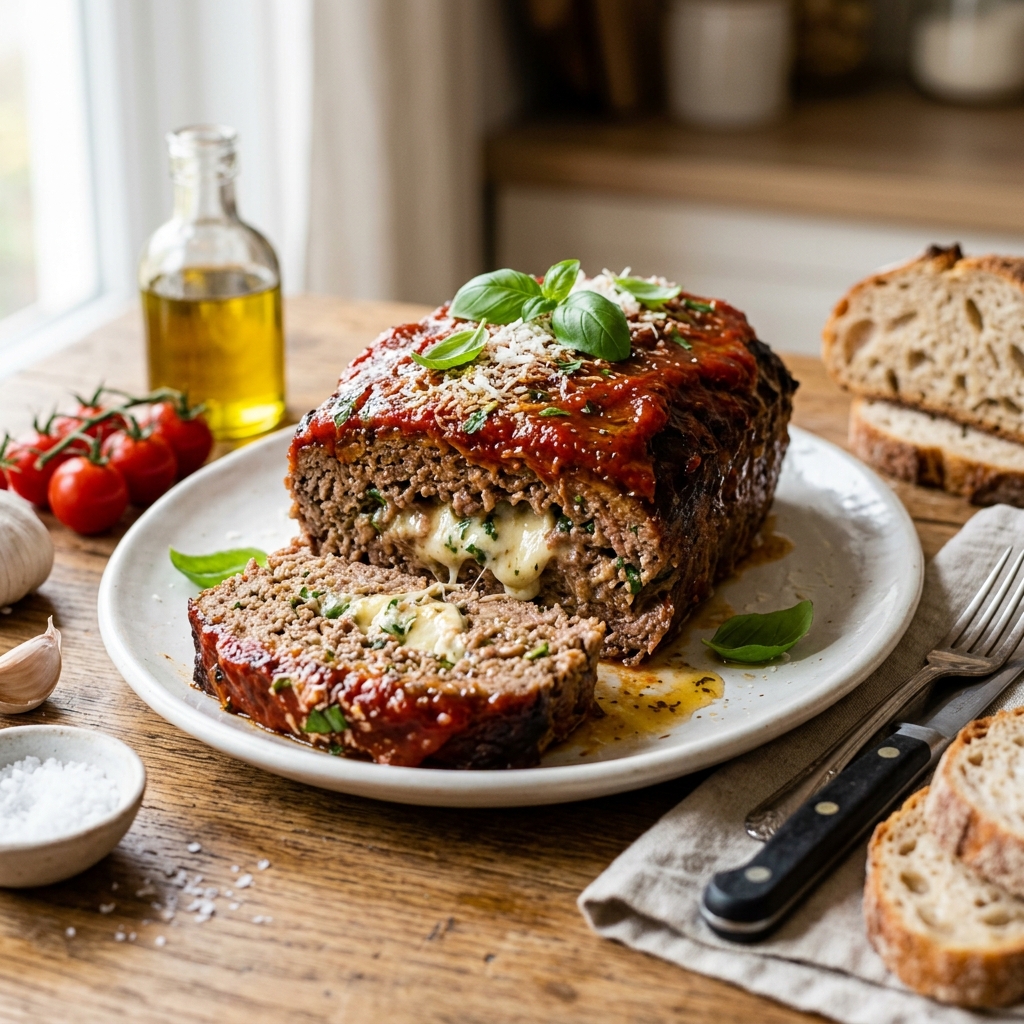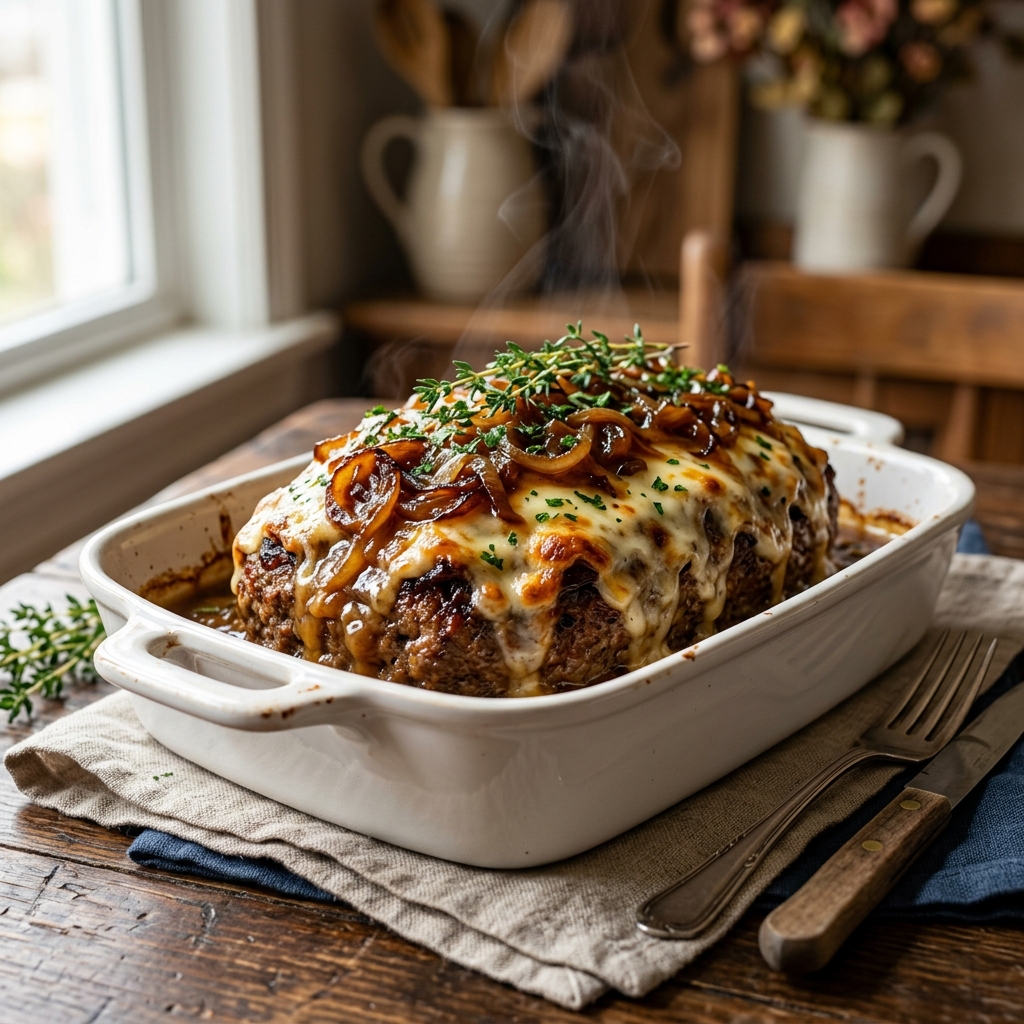
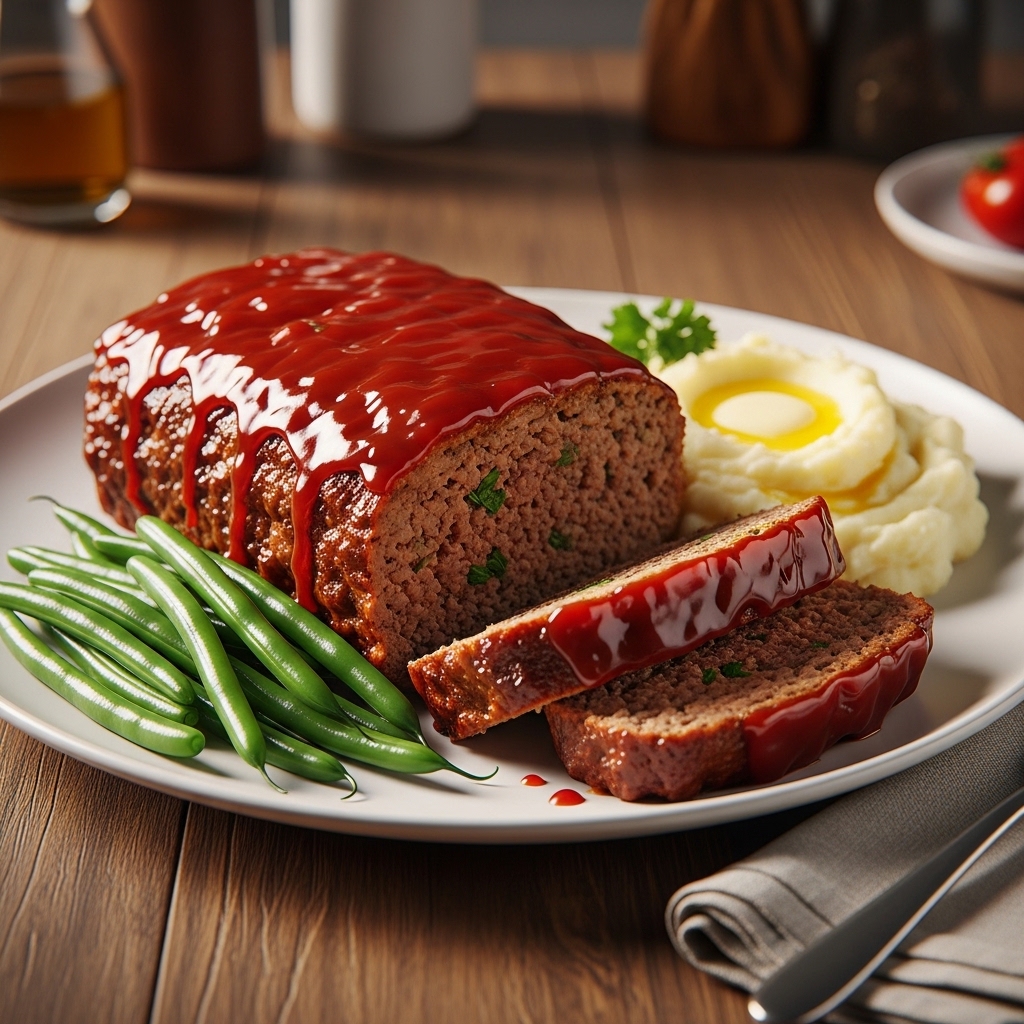
There’s something deeply comforting about a classic old fashioned meatloaf. It’s the kind of dish that fills your kitchen with warmth, brings people together around the table, and delivers that rich, hearty satisfaction with every bite. Whether you grew up enjoying it at family dinners or you’re discovering it for the first time, meatloaf remains a timeless favorite that never goes out of style.
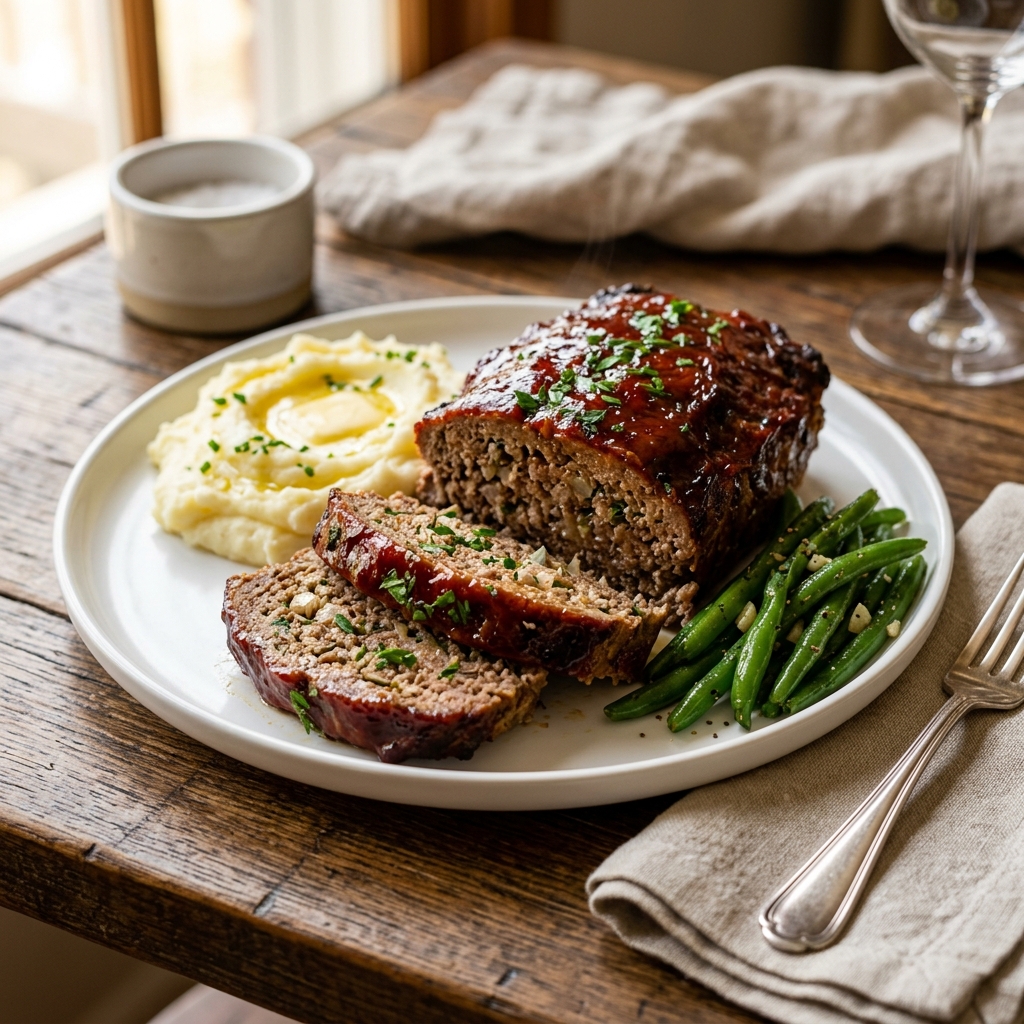
This recipe isn’t just about mixing meat and baking it—it’s about creating a perfectly balanced dish that’s juicy on the inside, caramelized on the outside, and bursting with savory flavor. From the tender texture to the tangy glaze that coats the top, every detail matters. As a chef, I can tell you that a great meatloaf is built on technique just as much as ingredients, and once you master both, you’ll have a reliable go-to meal that never disappoints.
Why This Classic Meatloaf Will Surprise You
You might think meatloaf is simple—and you’d be right—but that’s exactly where its magic lies. The beauty of this dish is in how a few humble ingredients come together to create something far greater than the sum of its parts. But here’s the secret: small adjustments can transform an average meatloaf into an unforgettable one.
What truly sets this recipe apart is the attention to moisture and flavor layering. Too often, meatloaf turns out dry or bland, but not this one. By carefully combining the right ratio of meat, binders, and seasonings, and finishing it with a perfectly balanced glaze, you’ll create a dish that’s rich, juicy, and deeply satisfying. If you’ve ever been disappointed by meatloaf in the past, this recipe is about to change your mind completely.
Ingredients for Classic Old Fashioned Meatloaf
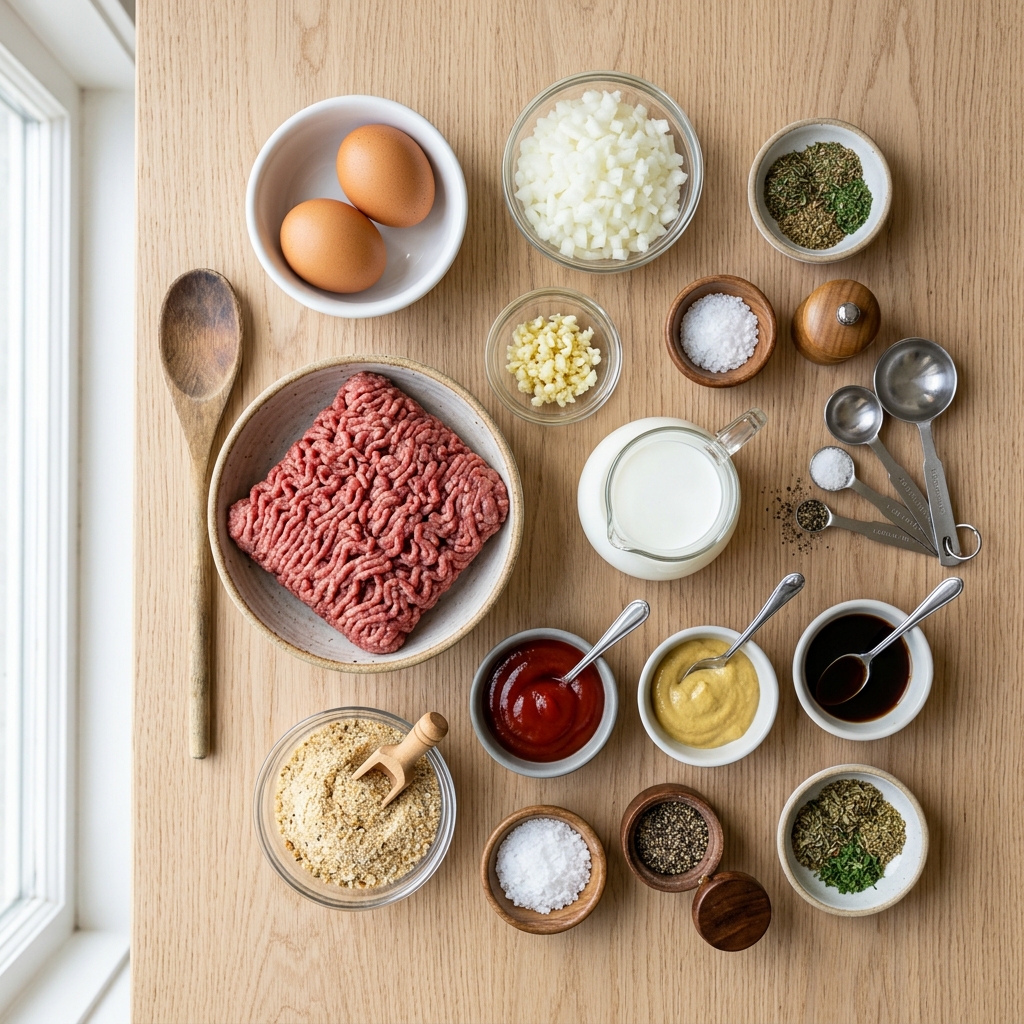
Before you begin, it’s important to understand that each ingredient plays a key role in achieving that perfect texture and flavor.
For the Meatloaf
- Ground beef (80/20 blend) – 1½ to 2 pounds
The fat content is essential for a juicy meatloaf. Lean beef can result in a dry texture, so aim for a balance. - Breadcrumbs (plain or seasoned) – 1 cup
These act as a binder and help retain moisture. You can also use crushed crackers for a more traditional touch. - Milk – ½ cup
This hydrates the breadcrumbs, creating a panade that keeps the meatloaf soft and tender. - Eggs – 2 large
Eggs bind everything together and help the loaf hold its shape. - Onion (finely chopped) – 1 medium
Adds sweetness and depth. For a smoother texture, you can sauté it lightly before adding. - Garlic (minced) – 2–3 cloves
Enhances the savory profile without overpowering the dish. - Ketchup – ¼ cup
Adds moisture and a subtle tang inside the meat mixture. - Worcestershire sauce – 1–2 tablespoons
This is a flavor booster that adds umami richness. - Salt – 1 teaspoon (adjust to taste)
- Black pepper – ½ teaspoon
- Dried thyme or parsley – 1 teaspoon
Herbs bring freshness and balance to the richness of the meat.
For the Glaze
- Ketchup – ½ cup
- Brown sugar – 2 tablespoons
- Mustard (yellow or Dijon) – 1 tablespoon
This glaze is what gives the meatloaf its signature glossy, slightly sticky finish. It strikes the perfect balance between sweet, tangy, and savory.
Step-by-Step Preparation Guide
Step 1: Prepare the Panade
In a large mixing bowl, combine the breadcrumbs and milk. Let it sit for 2–3 minutes until the breadcrumbs absorb the liquid. This step is crucial—it ensures your meatloaf stays moist instead of dense.
Step 2: Build the Flavor Base
Add the chopped onion, minced garlic, ketchup, Worcestershire sauce, eggs, salt, pepper, and herbs into the bowl with the breadcrumb mixture. Mix gently until everything is well combined.
Step 3: Add the Ground Beef
Now, add the ground beef to the mixture. Using clean hands or a spatula, mix everything together just until combined. Avoid overmixing, as this can make the meatloaf tough instead of tender.
Step 4: Shape the Meatloaf
Transfer the mixture onto a lined baking sheet or into a lightly greased loaf pan. Shape it into a loaf form, ensuring it’s even in thickness so it cooks uniformly.
Step 5: Prepare and Apply the Glaze
In a small bowl, mix together ketchup, brown sugar, and mustard. Spread half of the glaze evenly over the top of the meatloaf, reserving the rest for later.
Step 6: Bake to Perfection
Preheat your oven to 375°F (190°C). Place the meatloaf in the center of the oven and bake for about 40–45 minutes.
After this time, remove it from the oven and spread the remaining glaze on top. Return it to the oven and bake for an additional 15–20 minutes, or until the internal temperature reaches 160°F (71°C).
Step 7: Rest Before Slicing
Once done, let the meatloaf rest for at least 10 minutes before slicing. This allows the juices to redistribute, ensuring each slice is moist and holds together beautifully.
Delicious Variations to Try
One of the best things about meatloaf is how versatile it can be. Once you’ve mastered the classic version, you can easily customize it to suit your taste.
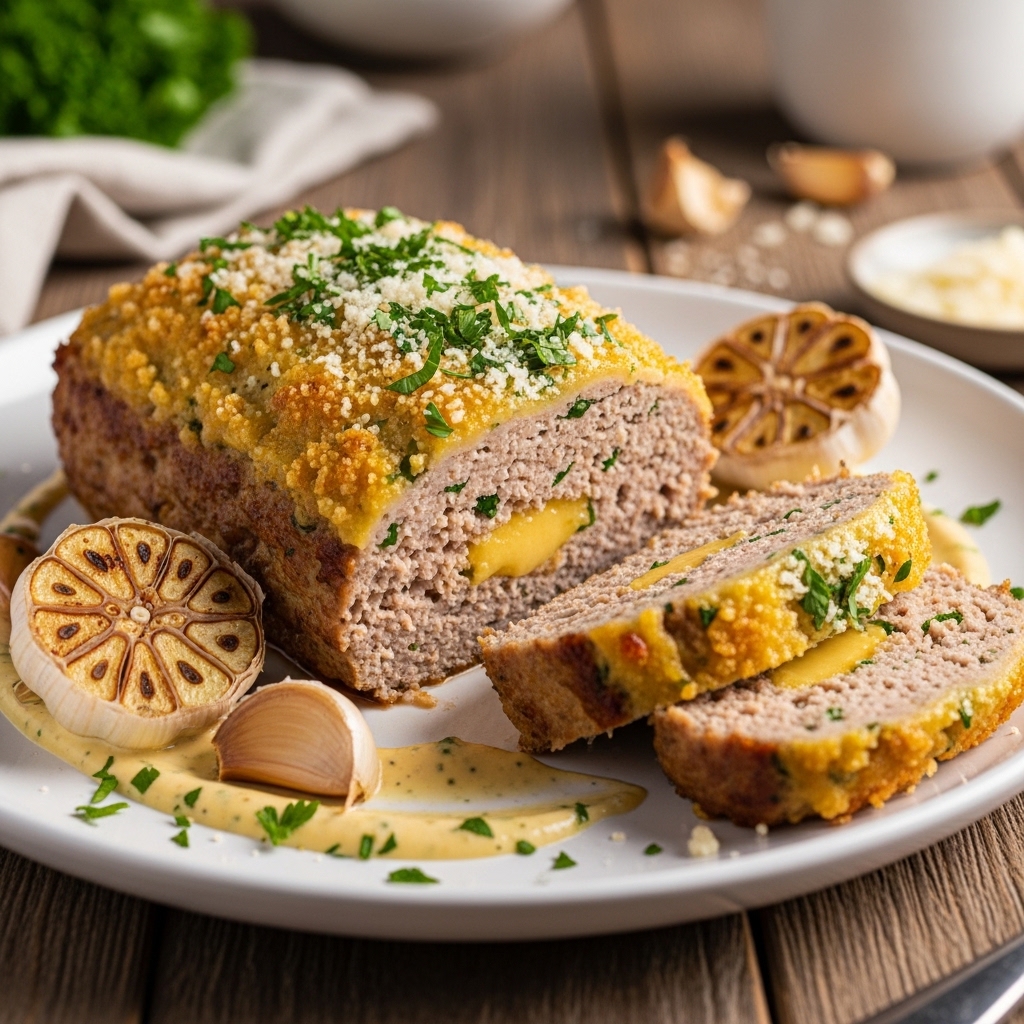
Cheesy Stuffed Meatloaf
Add a layer of shredded cheddar or mozzarella in the center before shaping the loaf. As it bakes, the cheese melts into a gooey, flavorful surprise.
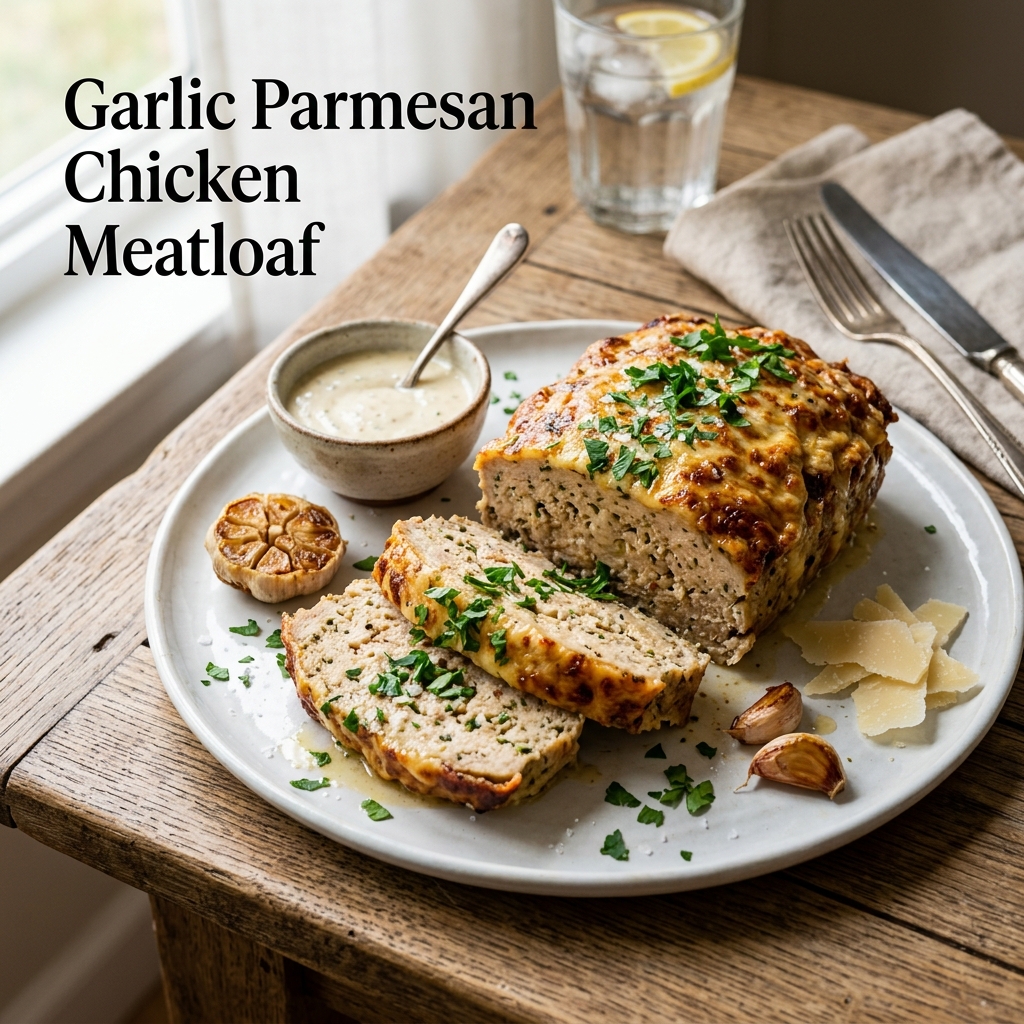
Turkey or Chicken Meatloaf
Swap ground beef for ground turkey or chicken for a lighter version. Just be sure to add a bit of extra moisture, such as olive oil or an extra splash of milk, since these meats are leaner.
BBQ Glazed Meatloaf
Replace the traditional glaze with your favorite barbecue sauce for a smoky, sweet twist that pairs beautifully with the savory meat.
Vegetable-Packed Meatloaf
Finely chop carrots, bell peppers, or zucchini and mix them into the meat for added nutrition and texture. This is a great way to make the dish more wholesome without sacrificing flavor.
Expert Tips for the Perfect Meatloaf
Achieving a perfect meatloaf every time comes down to a few professional techniques that make all the difference.
First, always use a panade (breadcrumb and milk mixture). This is one of the most important secrets to keeping your meatloaf tender and juicy. Skipping this step often leads to a dense, dry result.
Second, avoid overmixing the meat. Think of it like making a delicate dough—handle it gently. Overworking the mixture compresses the proteins and results in a tougher texture.
Another key tip is to bake your meatloaf free-form on a baking sheet instead of inside a loaf pan. This allows excess fat to drain away and helps the exterior develop a beautiful caramelized crust.
Finally, always let your meatloaf rest before slicing. Cutting into it too soon will cause the juices to escape, leaving you with a drier result than you want.
Make Ahead Options
One of the reasons classic old fashioned meatloaf remains a staple in so many kitchens is its incredible flexibility. Whether you’re planning meals ahead for a busy week or prepping for a gathering, meatloaf adapts beautifully.
Prepare in Advance (Uncooked)
You can fully assemble the meatloaf mixture and shape it up to 24 hours in advance. Simply cover it tightly with plastic wrap or place it in an airtight container and refrigerate. When ready to cook, let it sit at room temperature for about 20–30 minutes before placing it in the oven. This ensures even cooking from edge to center.
Freeze Before Baking
For longer storage, meatloaf freezes exceptionally well before cooking. Wrap the shaped loaf tightly in plastic wrap, then again in foil to prevent freezer burn. It can be stored for up to 3 months. When ready to use, thaw it overnight in the refrigerator, then bake as directed.
Cook Ahead and Reheat
You can also bake the meatloaf in advance, let it cool completely, and store it in the fridge for up to 4 days. When reheating, cover it with foil and warm in a 300°F (150°C) oven until heated through. Adding a small splash of broth or water before reheating helps maintain moisture.
What to Serve with Meatloaf
A well-made meatloaf is rich and hearty, so pairing it with the right sides elevates the entire meal into something truly memorable.
Classic Comfort Pairings
- Creamy Mashed Potatoes
Smooth, buttery mashed potatoes are the ultimate companion. They soak up the meatloaf juices and glaze beautifully. - Green Beans (Steamed or Sautéed)
Their fresh, slightly crisp texture balances the richness of the meatloaf. - Roasted Carrots
Sweet and caramelized, they add both color and flavor contrast to your plate.
Hearty Additions
- Macaroni and Cheese
For a true comfort food feast, this cheesy side makes the meal even more indulgent. - Buttered Corn or Cornbread
Adds a touch of sweetness that complements the savory meatloaf.
Lighter Options
- Simple Garden Salad
A crisp salad with a light vinaigrette helps cut through the richness. - Steamed Broccoli or Asparagus
Nutritious and clean-tasting, these vegetables round out the dish without overpowering it.
How to Store Meatloaf Properly
Proper storage is key to maintaining both flavor and texture, especially if you plan to enjoy leftovers.
Refrigeration
Allow the meatloaf to cool completely before storing. Wrap it tightly in foil or place it in an airtight container. It will keep well in the refrigerator for up to 4 days.
Freezing Cooked Meatloaf
Cooked meatloaf can be frozen either whole or in slices. Wrap portions individually for convenience, then store in a freezer-safe container or bag. It will stay fresh for up to 3 months.
Reheating Tips
For best results, reheat in the oven rather than the microwave. Cover the meatloaf with foil and warm at a low temperature to prevent drying out. If using a microwave, add a small amount of moisture (like broth or water) and cover loosely to retain steam.
Frequently Asked Questions (FAQs)
1. Why does my meatloaf fall apart when slicing?
This usually happens when there isn’t enough binder in the mixture. Eggs and breadcrumbs are essential for holding everything together. Also, letting the meatloaf rest before slicing helps it firm up and maintain its shape.
2. How do I keep my meatloaf from drying out?
The key is moisture balance. Using a panade (breadcrumbs and milk), choosing ground beef with some fat content, and not overcooking are all critical. Covering it during part of the baking process can also help retain moisture.
3. Can I use different types of meat?
Absolutely. A mix of ground beef, pork, and veal creates a richer flavor profile. You can also use turkey or chicken, but remember to add extra moisture since they are leaner.
4. Should I cook meatloaf covered or uncovered?
It’s best to cook it uncovered to allow the outside to develop a flavorful crust. However, if you notice it browning too quickly, you can loosely cover it with foil toward the end of cooking.
5. How do I know when my meatloaf is done?
The most reliable way is to use a meat thermometer. The internal temperature should reach 160°F (71°C). This ensures it’s fully cooked while still juicy.
6. Can I make meatloaf without breadcrumbs?
Yes, you can substitute breadcrumbs with crushed crackers, oats, or even cooked rice. Each option slightly changes the texture but still works well as a binder.
7. What’s the best way to add more flavor?
Layering is everything. Season each component properly, use aromatics like onion and garlic, and don’t skip the glaze. You can also add ingredients like grated Parmesan, fresh herbs, or a splash of soy sauce for extra depth.
Classic Old Fashioned Meatloaf
Ingredients
Equipment
Method
- In a large bowl, combine breadcrumbs and milk. Let sit for 2–3 minutes until softened.
- Add eggs, onion, garlic, ketchup, Worcestershire sauce, salt, pepper, and herbs. Mix until well combined.
- Add ground beef and gently mix until just combined. Do not overmix.
- Transfer mixture to a lined baking sheet or loaf pan and shape into a loaf.
- Mix ketchup, brown sugar, and mustard in a small bowl.
- Preheat oven to 375°F (190°C). Spread half the glaze over the meatloaf and bake for 40–45 minutes.
- Remove from oven, spread remaining glaze, and return to bake for another 15–20 minutes or until internal temperature reaches 160°F (71°C).
- Let the meatloaf rest for 10 minutes before slicing and serving.
Notes
Avoid overmixing to keep the meatloaf tender.
Letting the meatloaf rest is essential for clean slices and juicy texture.
You can substitute breadcrumbs with oats or crushed crackers if needed.
For a richer flavor, try mixing ground beef with pork or veal.